


I have concerns about the water I drink with regards to my well being. One concern I have is tap water and is drinking tap water safe?
The answer is, for the most part, not all tap water is safe to drink, if it is not filtered at the tap. This may be surprising to some. Many people I encounter think nothing of tap water, being bad to drink! Which is very alarming, since it is a necessary staple to our total existence. Let me explain my answer, and what you can do to protect yourself and your family.
What You Would Be Shocked To Know
According to the CDC, they say that water quality plays a substantial part in the public health it serves.
Also according to the CDC, a very large percentage, (in the millions), of drinking water that supplies United States residence comes from private wells, local springs, livestock water tanks and rainwater collection in cisterns. Most of these being unregulated by government means.
In addition the United States drinking water infrastructure is outdated and deteriorating, leaching undesirable contaminants in to peoples homes, schools, hospitals and businesses, some areas worse than others.
So when the question arises, “is drinking tap water safe?” I am going to talk about how tap water can be bad, why has it become that way and what you can do to prevent it from affecting your well-being in a negative way.
What Is Tap Water?
Tap water is simply water that comes from a tap, faucet, spigot, or whatever else you might call it.
Most of us have this convenience of running water through a tap in our homes, schools, hospitals, businesses and places of employment and generally, anywhere we may go.
The water comes from a water source, there are three main sources, surface water such as lakes and rivers, wetlands, or reservoirs. Another being groundwater and collected rainwater. Another option but not so common is saltwater from oceans.
This collected water then goes to a municipality facility where it is filtered or chemically treated or both. This treatment is deemed safe for human consumption. Or is it?
It is then pumped out of the treatment plant and dispensed through the infrastructure of the town or city it is supplying.
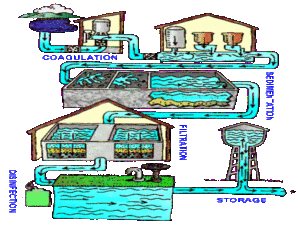
Figure courtesy of EPA
That infrastructure is a series of pipes, pumps, holding tanks, etc., running all through the towns and cities generally underground.
The earliest known water system infrastructures were constructed thousands of years B.C. E.
Rather sophisticated for the times, these infrastructures included pipes, canals, tunnels, inverted siphons, aqueducts, reservoirs, cisterns, and dams, that collected rainwater and routed it throughout the cities it served.
Our Water Sources Today
Today much of our freshwater sources for human consumption are coming from groundwater, also known as aquifers, some from rivers, lakes, streams, and watersheds.
These water sources are being taxed by rapid overuse which is a concern for the future of civilizations’ water needs.
Besides the rapid consumption of these water supplies is the growing concern of pollutants that are being dumped into the water supply on a daily basis.
Groundwater pollutants coming from a vast array of places such as:
- Storage Tanks, holding toxic liquids that can wreak havoc on groundwater if leached into it.
- Septic Systems, that are not properly used or constructed can leach undesirable pollutants into groundwater.
- Uncontrolled Hazardous Waste, that is housed in abandoned containers that develop leaks can also contaminate groundwater.
- Landfills are full of undesirable contents that can seep into the ground and contaminate water supplies.
- Chemicals and Road Salts, poisonous chemicals used in lawn care and agriculture, also road salts used to prevent icy conditions on roads are a danger to the water supply that we drink.
- Then there are Atmospheric Contaminants that come from the air and surface water that can seep into the groundwater supply as well.
These contaminants can cause a lot of unwanted illness and deaths, such as hepatitis, dysentery, poisonings, and cancer. Humans and wildlife alike are harmed from these exposures that are found in our drinking water supplies.
Here Is An Extensive List Of Contaminants
| Aluminum Ammonia Arsenic Barium Cadmium Chloramine Chlorine Chromium | Copper Endocrine Disruptors Fluoride Lead Legionella Mercury Nitrites/Nitrates Perchlorate | Pharmaceuticals Personal Care Products Radium Selenium Silver Taste & Odors Uranium |
How Toxins Get In Our Water Supplies
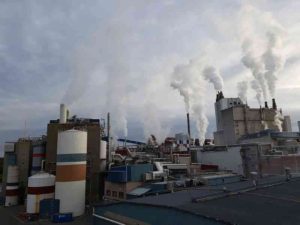
Besides all the ways mentioned above, there are the toxins that reach our drinking water supply through the outdated water delivery infrastructure that some are plagued with.
Recently in the news, Newark, NJ water crisis, where the water supply has been tainted with dangerous levels of lead due to a very old deteriorating infrastructure.
Not to mention the recent past Flint, MI water crisis, where the water supply was contaminated by dangerous amounts of lead and other contaminants.
These contaminants were due to improper chemicals used to treat the water which added to the erosion of the old lead pipes that carry the water being delivered to homes.
If you don’t know, lead alone can affect the heart, kidneys, and nerves. Children are especially sensitive to lead exposure. It can cause learning and behavioral disorders along with hearing problems and delayed puberty.
Treatment Chemicals
When water goes to the water treatment facilities to be purified for humans to drink, it goes through a series of processes and some of those processes use chemicals.
The chemicals in these processes are toxic themselves in larger doses, but they use just the right amount to be safe to ingest. But are they really safe to ingest in small amounts over the long term? It is not a gamble I want to take.
Chlorine
Chlorine is used to disinfect sewage water at treatment plants before piping it out to surrounding areas for consumption in the form of tap water.
Chlorine is a highly toxic chemical that can cause a plethora of life-threatening ailments in humans and animals. There have been many known cases of people dying due to extreme exposure to Chlorine.
Chlorine at high levels inhaled causes a number of respiratory and neurological problems. At low levels, the severity is reduced but it does affect pulmonary in a negative way.
A study conducted in Brussels showed a rise in childhood asthma for children who frequented chlorinated pools.
A study revealed carcinogenic activity in rats that were exposed to large doses of chlorine. Female rats developed leukemia when exposed to chlorine.
When hot chlorinated water comes out of your tap it can give off gasses that can, over long periods of time cause unhealthy situations. Not only is it being inhaled, like in a hot shower or bath. It is also being absorbed through your skin along with ingesting it for drinking water.
This is a toxic chemical in low doses, every day of your life you are being exposed to it through your tap water.
The only thing chlorine is good for is getting rid of some bacteria in our drinking water supplies. It is surely not good for our bodies.
Along with getting rid of unhealthy bacteria in our tap water, it is also killing good bacteria in our gut. We need good bacteria for ultimate good health.
Chlorine Dioxide
Chlorine Dioxide is a faster-acting disinfectant than chlorine but has worse side effects.
Chloramination
It is becoming a more common disinfectant and not as strong as chlorine. You can change chlorine into chloramine by adding ammonia which is a very toxic mixture!
Bromination and Iodinization
These two disinfectants are not as strong and cannot disinfect against Escherichia coli.
All these disinfectants are toxic and more toxic in large amounts. It is said that in small amounts they do no harm, but I do not want to bet my life on someone’s theory. That is why I filter my water when it comes out of the tap.
Unfortunate Situations
Unless you live in an area that was plagued with a drinking water crisis, you probably don’t think much of needing to filter your water.
As in the Flint, MI and Newark, NJ water crises where the whole cities drinking water supply was tainted with deadly contaminants after leaving the water filtration plants. This was because of outdated water pipes leading to people’s homes and businesses.
And I just read in the headlines this week the water in the United States is contaminated by Forever Chemicals. This does not sound promising for the nation’s water supply!

Are You Feeling Sick Yet?
If you drink tap water now and say, it’s not so bad, you might want to reconsider.
You may not be feeling so bad today, but over time these toxins can accumulate in your body and wreak havoc. Think about it, they can’t possibly be good for you!
Undesirable chemicals in the water can be hard on your kidneys because the kidneys have to filter the toxins and try and excrete them from the body.
The more toxins we put in our bodies the more our filter system becomes taxed, like our kidneys and liver.
Once the body filter systems start to fail, then the rest of the systems begins to weaken.
Because those toxins now start building up and leaching to other organs and causing problems, if they haven’t already done so.
So the answer to the question, “is drinking tap water safe?” I would say “I Don’t Want To Take The Chance And Drink It!” unless it is filtered at the source. I will give you suggestions below on how you can filter your water.
How To Protect You And Your Family
There are ways to protect you and your family from all these poisons and toxins. Here are some suggestions on how to make tap water safe to drink.
Using water filters at the tap source, that filter out a wide range of toxins from your drinking water can be a start! Shop for “at the tap” source water filters by clicking here.
Avoid drinking store-bought water, because you can never be sure that the water was filtered properly and plus the added concerns with plastics being unhealthy and a detriment to our world.
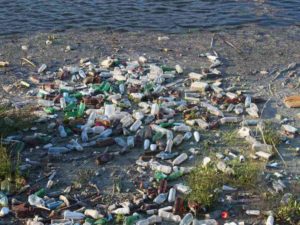
I do not recommend drinking water out of plastic bottles. Water can become contaminated with leaching plastic toxins. Plus, disposable, one-use plastics are another pollutant to our water and land.
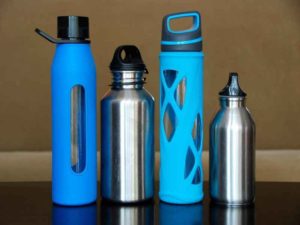
I suggest reusable glass or stainless steel bottles as seen above. I use glass for my cold beverages and steel for my hot beverages. It really feels good to know that I am not drinking from plastic that may be toxic to me and I am not contributing to the demise of the world.
You can shop for glass and steel bottles by clicking here.
In Conclusion
You might be thinking, how the heck can my body be healthy with all these poisons and toxins it is exposed to?
That is why we have to conscientiously make an effort every day to put the purest, cleanest, healthiest things in our bodies.
So, with all this said, do you think drinking tap water is safe? Do you really even want to take a chance and drink it? And if you are drinking it, do you think you should stop drinking it for the safety of your health?
A healthy person is free from pain, ailments, and disease. Isn’t that what you want to strive for in your life every day? If so, every little tiny decision we make today affects the bigger outcome tomorrow! Make good decisions today for the betterment of your life tomorrow.
Anything I can help you with, don’t hesitate to contact me.